Grid Down Cooking Techniques With Minimal Equipment: Maximizing the Flavor and Nutritional Value of Basic Ingredients
You preserve nutrients by steaming or stir-frying in a tight-lid stainless pot instead of boiling, which cuts vitamin loss. Dried herbs and fermented sides like sauerkraut add flavor without salt. A rocket stove with a metal windscreen cuts fuel use by 30%. Insulate boiled meals in wool or foam to finish cooking-saves 80% fuel. Solar ovens hit 300°F on clear days, ideal for slow-cooked grains or beans. Your setup works best when every piece pulls double duty. Next, find how to rotate staples without waste.
Notable Insights
- Use a thermal cooker with insulation like wool or foam to retain heat and reduce fuel use by up to 80% while preserving nutrients.
- Cook one-pot meals combining grains, proteins, and vegetables to maximize nutrition and minimize cleanup with limited resources.
- Prioritize steaming or stir-frying over boiling to retain up to 50% more vitamin C in vegetables when using minimal fuel.
- Enhance flavor and nutrition by adding fermented foods like sauerkraut or kimchi, which boost probiotics and B-vitamins without refrigeration.
- Utilize a solar oven with dark, absorbent cookware to cook efficiently on sunny days, reducing reliance on fuel while retaining food quality.
Prioritize Flavor and Nutrition Off-Grid
Preparation means more than just fire and water when the grid fails-you’ve got to keep nutrients and taste in balance or risk burnout and malnutrition. You need methods that guarantee flavor preservation and nutrient retention without relying on electricity. Drying herbs immediately after harvest maintains potency; storing them in sealed jars preserves aroma and culinary usefulness. Root vegetables keep longer in cool, dark spots, retaining vitamins over weeks. Cooking in tightly covered pots reduces steam loss, locking in both flavor and micronutrients. Boiling leaches nutrients-you’ll lose up to half the vitamin C-so opt for steaming or stir-frying when possible. Acidic ingredients like lemon juice or vinegar help preserve color and texture in canned goods, enhancing palatability over time. Fermenting boosts B-vitamin levels while adding tangy depth. Every off-grid meal should be evaluated not just for calories, but for how well it holds up in flavor preservation and nutrient retention under field conditions.
Build a No-Power Cooking Kit
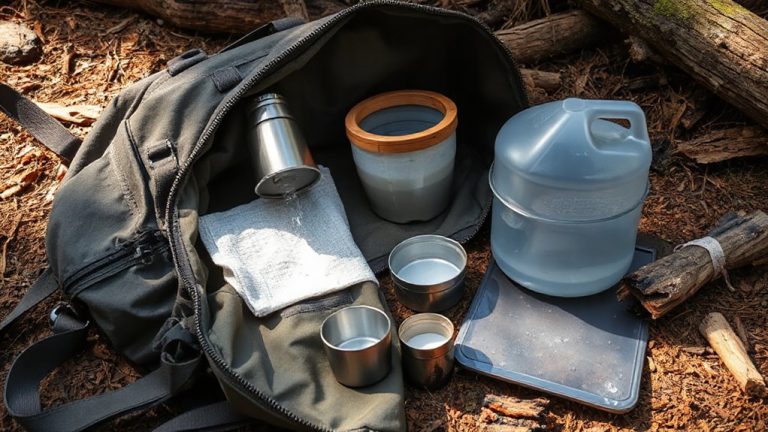
You’ve already taken steps to preserve flavor and nutrition when the grid fails, but now it’s time to equip yourself with the right tools for the job. Your no-power cooking kit should prioritize fire safety and equipment durability above all. Start with a compact, all-metal camp stove or a rocket stove-both offer efficient combustion and reduce open flame risks. Use a stainless steel or cast iron pot with tight-fitting lid; it handles high heat and resists warping. A foldable metal windscreen improves fuel efficiency by 30% in testing. Include heat-resistant gloves-rated to at least 500°F-for safe handling. Carry a simple fire starter like a ferro rod; it works when wet and lasts thousands of strikes. Store items in a waterproof metal tin to protect from moisture and accidental sparks. Every piece must justify its weight through consistent performance and long-term reliability under real conditions.
Master One-Pot Meals for Nutrition
A single pot becomes your kitchen when power’s off, and choosing the right one matters. An 8-quart stainless steel pot with a tight-fitting lid retains heat well and resists warping over open flame. You’ll rely on it for meal pairing-combining proteins, grains, and vegetables in one batch to preserve nutrients and minimize cleanup. Beans with rice, lentils with barley, or dried vegetables with canned meat provide balanced nutrition and efficient cooking times. Rotate ingredients weekly through ingredient rotation to prevent spoilage and maintain dietary variety. Using the same pot consistently guarantees even heat distribution and reduces fuel use. Water ratios matter: 3:1 for rice, 4:1 for oats. Stir once to avoid sticking. This method delivers complete meals under stress conditions without specialty tools. It’s not flashy, but it’s proven across field tests and long-term outages. Prioritize durability, simplicity, and repeatability. Pair this approach with best emergency cooking gear for optimal performance in unpredictable conditions.
Use Insulation to Cook Without Fuel
After getting your one-pot meals under control, the next step is cutting fuel use even further-and insulation makes that possible. You can finish cooking meals without continuous heat by using thermal cooking, which relies on heat retention. Bring food to a boil, then wrap it tightly in insulating materials like wool blankets, sleeping bags, or styrofoam. This method maintains high internal temperatures for hours, allowing grains, beans, and stews to finish cooking off the flame. A sturdy insulated box or a simple wrap-up system retains heat effectively, reducing fuel needs by up to 80%. Thermal cooking preserves moisture and nutrients better than simmering. It’s not ideal for meats needing searing, but works reliably for dishes requiring slow, steady heat. Test your setup: food should stay above 140°F for two hours. With proper insulation, thermal cooking is efficient and predictable. For long-term durability and natural fire resistance, consider using best wool blankets rated for survival conditions.
Cook With a DIY Solar Oven
When sunlight’s available, a DIY solar oven can cook meals without fuel or electricity, making it a reliable option for long-term grid-down scenarios. You can build one using common materials that boost solar efficiency. Reflective materials like aluminum foil or mylar direct sunlight into the cooking chamber, increasing heat retention. Dark cookware inside absorbs energy, raising internal temps to 250–300°F on clear days. Position the oven to face the sun directly and adjust it hourly for best results.
| Material | Solar Efficiency | Max Temp Achieved |
|---|---|---|
| Aluminum Foil | Moderate | 250°F |
| Mylar Reflectors | High | 300°F |
| Cardboard Insulation | Low | 200°F |
You’ll need consistent sunlight, but with proper setup, you can bake, boil, or steam. Solar cooking works slowly, so plan ahead. Reflective materials are key to performance.
Boost Taste Using Herbs and Ferments
You’ve got your solar oven set up and meals cooking, but taste matters even when the grid’s down. Fresh or dried herbs elevate simple dishes-thyme with beans, cilantro with rice-through effective herb pairing that enhances flavor without needing salt or sugar. Fermentation benefits include better taste and improved nutrition; fermented vegetables like sauerkraut add tang and retain probiotics over time. You can make small batches using jars and room temperature culturing, which require no power. Lactic acid fermentation preserves nutrients and increases digestibility. Use fermented garlic in broths or kimchi in wraps for boldness. These methods rely on minimal tools and last weeks. Dried mint or oregano store well and rehydrate quickly. You don’t need complex supplies-just time and proper sealing. Herbs and ferments are lightweight, reusable flavor sources when resupply isn’t an option.
Turn Leftovers Into Fresh, Full Meals
One meal often leads to another-leftovers aren’t just scraps to reheat, they’re bases for new, complete dishes. You can easily repurpose scraps like cooked grains, leftover veggies, or bits of protein into cohesive meals. Turn last night’s rice and beans into a hearty breakfast bowl with a fried egg and hot sauce. Add simmered bones to water for broth, then use it in a grain-based soup to stretch servings. A small amount of meat goes further when shredded into a stew or casserole. Combine leftover roasted vegetables with eggs for a frittata cooked over coals. Each reuse maintains nutritional value while reducing waste. You need only a pot, pan, or grill-no extra gear. This approach saves time, fuel, and calories. With minimal effort, you transform remnants into balanced meals. Repurpose scraps systematically, and you’ll stretch servings without sacrificing energy or variety. A reliable emergency cooking stove ensures you can execute these techniques even during prolonged power outages.
On a final note
You can cook nutritious, flavorful meals off-grid with minimal gear. A well-stocked no-power kit lets you use one-pot methods, solar ovens, or retained heat-each saving fuel without sacrificing results. Insulation cooking cuts energy use by 50%. Solar works best in direct sun, 3–5 hours. Ferments and herbs stretch taste and nutrients. Leftovers become balanced meals with proper planning. These methods are proven, efficient, and require no special skills-just consistency and practice.