Grid Down Living: The Realities of Daily Life Without Electricity or Infrastructure Support
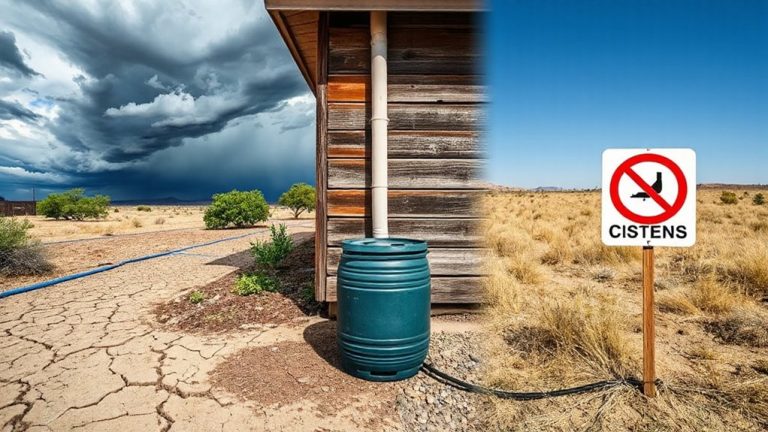
You’ll collect rainwater-50–80 gallons per inch of rain off a 1,000 sq ft roof-but must filter it with a Berkey or treat with chlorine dioxide drops, which take 4 hours to kill viruses. Propane stoves cook fast but need fuel; rocket stoves burn wood efficiently but require constant feeding. Insulated shelters can stay 20–30°F warmer, while layered wool retains heat better than cotton. Signal mirrors, hand-crank radios, and pigeons offer limited but viable communication. Each solution has trade-offs in cost, effort, or reliability-knowing them shapes your survival strategy.
Notable Insights
- Without power, water pumps fail, requiring rainwater harvesting or gravity-fed systems for daily supply.
- Refrigeration stops working, leading to rapid food spoilage, especially in warm weather.
- Cooking relies on off-grid methods like propane stoves, rocket stoves, or solar cookers with inherent limitations.
- Staying warm demands insulated shelters, proper clothing, and safe heating solutions like wood or catalytic heaters.
- Communication becomes challenging, necessitating backup methods like radios, signal mirrors, or carrier pigeons.
How To Get Clean Water Without Power
How do you get clean water when the grid fails? You rely on rainwater harvesting and water purification. Collecting rooftop runoff into barrels gives you volume-50 to 80 gallons per inch of rain on 1,000 sq ft of roof. But that water isn’t drinkable without treatment. You’ll need filtration or chemical purification. Gravity filters like the Berkey remove bacteria and parasites but cost $300 and clog without pre-filtering debris. DIY cloth pre-filters help. Chlorine dioxide drops cost less than $20 for 300 treatments and eliminate viruses, though they take 4 hours to work. UV pens, like the SteriPEN, purify in 90 seconds but depend on batteries. If power’s out long-term, that’s risky. Rainwater harvesting gives supply, but water purification guarantees safety. Combine both: store water in food-grade barrels, pre-filter, then purify. It’s not fast, but it’s reliable. No single method covers all needs. For longer-term preparedness, consider investing in one of the top-rated gravity filters recommended for off-grid use.
How To Cook Without Electricity
When the power’s gone, your ability to cook depends on reliable heat sources that don’t plug in, and your best options come down to propane stoves, campfires, and rocket stoves-each with clear trade-offs. Propane stoves light quickly and offer precise control, but fuel can run out. Campfires are free and use abundant wood, but they’re inefficient and hard to manage in rain. Rocket stoves burn small-diameter wood efficiently and work well in poor conditions, though they require constant feeding. Wood stoves provide sustained heat and double as warmth sources, but need chimneys and clear ventilation. Solar cooking works when the sun’s strong, using reflectors to heat food slowly-great for beans or rice, but useless at night or on cloudy days. You’ll need multiple methods to stay flexible. Relying on just one system risks going hungry when conditions change. Rotate based on weather, fuel, and meal type. For long-term use, consider a high-efficiency wood-burning cook stove that maximizes heat output while minimizing fuel consumption.
How To Stay Warm And Safe Off The Grid
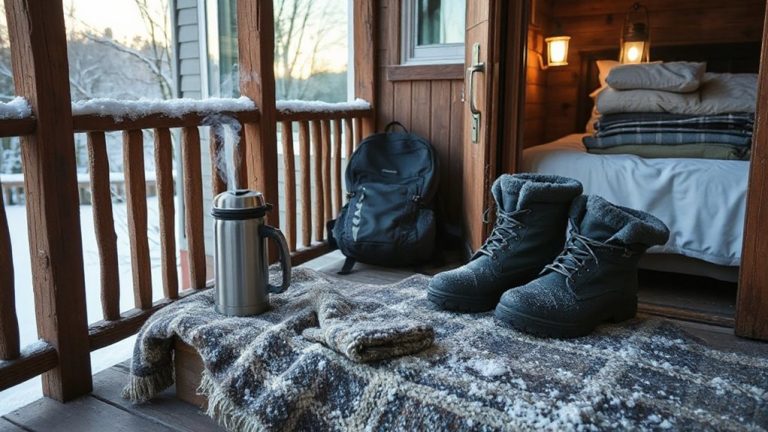
If you’re stuck outside the grid, staying warm means relying on heat sources that don’t need power, and your best bet is insulation paired with efficient, proven technology. Use insulation methods like double-walled tents, thermal blankets, or natural materials-straw, leaves, snow-to reduce heat loss. A well-insulated shelter can improve heat retention by 20–30°F compared to unlined spaces. Prioritize small, enclosed areas; they heat faster and hold warmth better. Catalytic heaters burn propane efficiently but need ventilation. Wood stoves work if you have fuel, though they require maintenance and clearances. Layer clothing with wool or synthetic insulation-it traps body heat with minimal bulk. Avoid cotton; it retains moisture and reduces heat retention. Test your setup in mild conditions first. Real-world use shows even basic shelters double survival odds when insulation methods are properly applied. Safety comes from consistency, not comfort. Consider packing an emergency sleeping bag for added thermal protection in unexpected overnight situations.
How To Communicate During A Blackout
Why wait for signals that never come? When the grid fails, traditional communication drops fast. You’ll need reliable alternatives. Signal mirrors are lightweight and effective-visible up to 10 miles in clear conditions, they reflect sunlight to attract attention. A simple tool, but limited to line-of-sight and daylight use. For longer distances, consider carrier pigeons. These birds can travel 50–100 miles at 30–60 mph, delivering small written messages reliably if trained and acclimated. They require feeding and shelter, adding logistical needs. Radios like hand-crank FRS models offer instant contact within 2–5 miles, but terrain and batteries affect performance. Combine methods: use signal mirrors for distress alerts, pigeons for set routes, and voice runners where possible. Redundancy increases success. Test each system before reliance. Each has trade-offs-prepare accordingly.
How A Power Outage Changes Daily Life
A power outage cuts more than electricity-it disrupts the systems you rely on every hour. Your fridge stops cooling, leading to food spoilage within hours, especially in warm conditions. Without temperature control, perishables like meat and dairy degrade quickly, increasing health risks. Appliance inactivity means no microwave, stove, or washing machine, forcing you to find alternate ways to cook and clean. Water pumps fail, so taps run dry unless you have a gravity-fed system. Lighting vanishes at night, making tasks slow and hazardous. Communication tools lose power, cutting contact unless you’ve got charged backups. Medical devices may stop working, creating dangerous gaps in care. You’ll notice how much you depend on constant energy-not just for comfort, but for basic function. These aren’t inconveniences; they’re operational failures affecting daily survival. Plan accordingly.
How To Build A Routine Without Power
How do you keep life running when the grid doesn’t? You rebuild with purpose. Start by anchoring your day to light and dark-no alarms mean sunrise dictates wake time. Your morning rituals should include water collection, fire prep, and a quick inventory of supplies. Do these in order, every day, to minimize wasted effort. Physical tasks are best done midday when visibility and body heat peak. Reserve evenings for low-energy work. Evening routines must include securing shelter, checking fuel, and planning for the next day. Use a wind-up clock to track time if available. A headlamp with red light preserves night vision but use it sparingly. Routines reduce decision fatigue. Repeat the same sequence daily until it’s automatic. Consistency beats efficiency when survival’s the metric. There’s no room for improvisation when resources are fixed and failure isn’t an option.
On a final note
You’ll adapt by relying on proven tools and simple routines. A hand pump delivers 5 gallons per minute from shallow wells. Propane stoves cook a meal in 20 minutes. Thermal layers and a wood stove keep temps at 65°F overnight. Battery-powered radios last 40 hours. You’ll reset your day around daylight, cutting screen time to zero. Trade convenience for reliability. Each choice balances effort, cost, and output-no magic fixes, just tested solutions that meet basic needs when the grid fails.