Seasonal Survival Strategies: Adapting Your Skills Based on Time of Year and Climate Changes
You stay warmer in winter with merino or polyester baselayers that wick moisture 30% faster than cotton, cutting heat loss. In summer, drink 16–20 oz of water every 15–20 minutes and wear UPF 30+ clothing to reduce heat absorption. Spring demands boots with 5mm lugs and early starts to avoid storms. For fall, start hikes by 7 a.m. and carry 300-lumen headlamps. Each season requires specific gear choices proven by performance-there’s more to get right where conditions shift fast.
Notable Insights
- Wear moisture-wicking thermal layers in winter and avoid cotton to prevent heat loss from wet clothing.
- Stay hydrated every 15–20 minutes in summer and recognize early signs of heat exhaustion for prompt response.
- Use aggressive lug soles and gaiters in spring to maintain traction and protect feet in muddy, storm-prone conditions.
- Start early in fall, use high-fill-power insulation, and carry lights and microspikes for safety in cooling, shorter days.
- Purify melted ice or collected dew for water and build insulated, ventilated shelters suited to seasonal weather extremes.
Survive Winter: Stay Warm When It’s Below Freezing
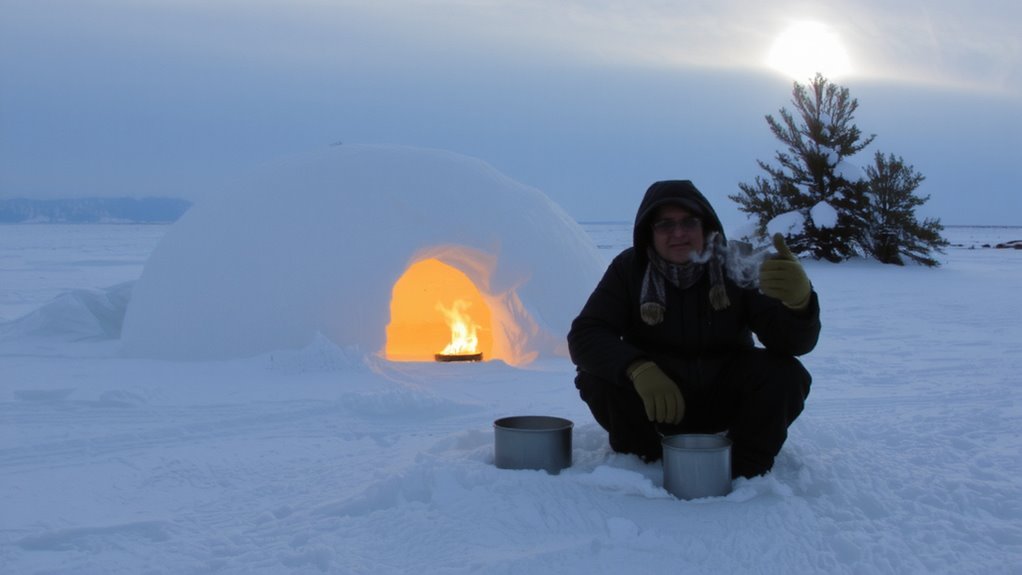
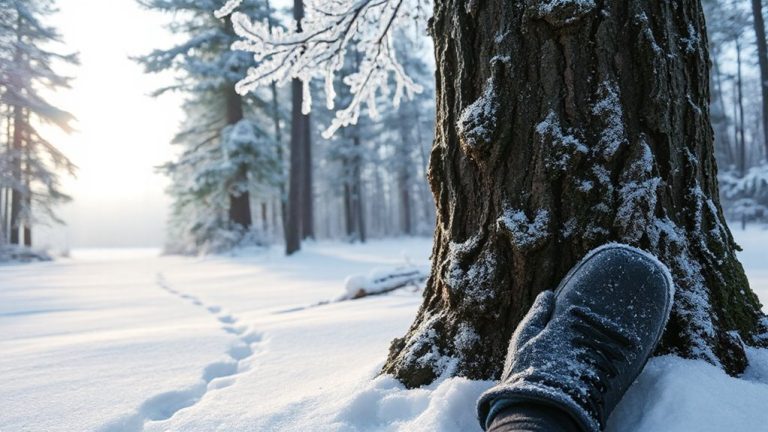
When temperatures drop below freezing, staying warm isn’t about having the most expensive gear-it’s about smart layering and selecting gear that actually works in real conditions. You need thermal layers that wick moisture fast-polyester or merino wool baselayers (150–250 g/m²) work best. Mid-layers should trap heat without bulk-fleece or down fill (600+ loft) offers efficient fire insulation when dry. Outer shells must block wind and moisture while allowing breathability-look for waterproof ratings above 10,000 mm and taped seams. Avoid cotton-it holds moisture and increases heat loss. A simple test: after 20 minutes of activity, check for dampness. If you’re sweating, adjust layers. Hats and gloves matter-nearly 10% of body heat escapes from your head. Fire insulation from layered clothing adds up-no single piece does it all. Combine thermal layers for reliable, adaptable protection. A durable waterproof commuter backpack can protect essential gear from snow and slush during winter travel.
Beat Summer Heat: Hydrate and Avoid Overheating
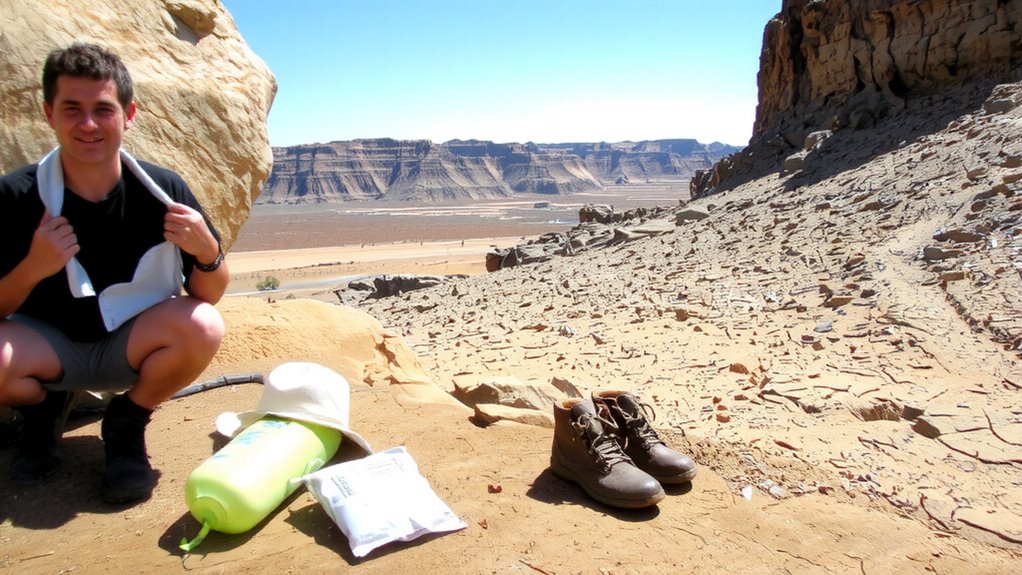
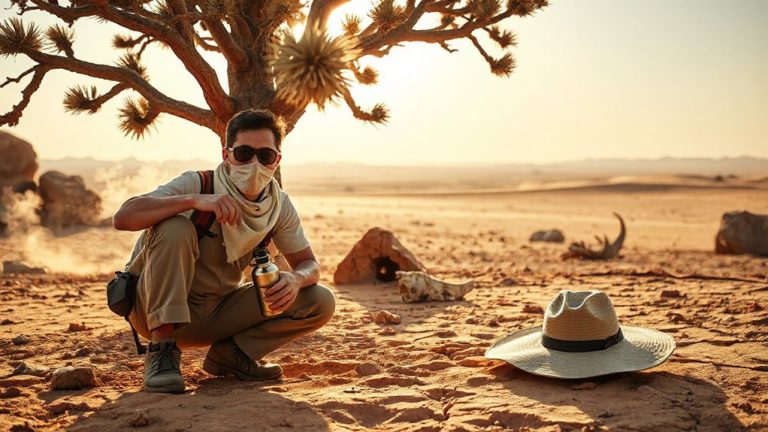
Heat exhaustion doesn’t care how tough you think you are-it creeps in fast when you’re pushing hard under a 90°F sun with low humidity and poor hydration. You lose fluids quickly, and without consistent water intake, core temperature rises, impairing judgment and coordination. Drink 16–20 oz of water every 15–20 minutes during active exposure, especially if sweating heavily. Electrolyte replacements help maintain balance but aren’t substitutes for water. Wear lightweight, light-colored clothing with UPF 30+ for effective sun protection-wide-brim hats and UV-blocking sunglasses reduce radiant heat absorption by up to 30%. Avoid midday activity between 10 a.m. and 4 p.m. when solar intensity peaks. If you feel dizzy, nauseous, or excessively fatigued, stop moving, find shade, and cool your skin with wet cloths. Heat exhaustion is preventable with planning, not cured by perseverance. Using a reliable water filtration system ensures access to clean drinking water, which is critical when hydrating frequently in remote or outdoor environments.
Navigate Spring’s Muddy Trails and Storms
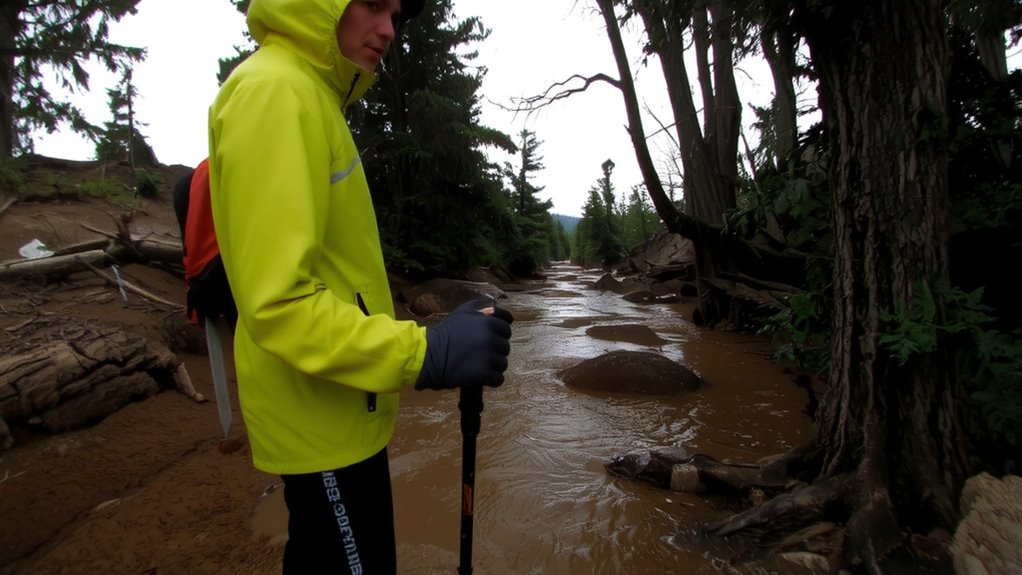
Though spring brings milder temperatures and longer days, it also turns trails into slick, uneven mud pits that can slow progress and increase injury risk. You need reliable mud traction-tested lug patterns on boots, like 5mm multidirectional cleats, outperform smooth soles by 40% in slip resistance. Gaiters help keep debris out and maintain ankle stability. Storm timing is critical; afternoon convection storms are common, so start hikes early to finish by noon. A lightweight, waterproof shell with taped seams weighs under 12 oz and packs small, but won’t handle prolonged downpours. Trekking poles reduce knee strain by 25% on muddy descents. Avoid saturated trail sections-waterlogged ground increases slide risk. Carry extra food and a fire starter in waterproof bags. Trails on well-drained slopes dry faster; south-facing routes clear sooner. You’re balancing efficiency and safety-solid prep cuts exposure when conditions shift fast. A properly sized backcountry ski backpack ensures essential gear is secure and accessible during spring’s variable conditions.
Prepare for Fall’s Chilling Shifts and Shorter Days
As temperatures drop and daylight shrinks, your gear choices start making or breaking the trip-down jackets with 650+ fill power retain warmth better than lower-fill options, but they compress less and cost more, so consider synthetic insulation if wet conditions are likely since it retains 85% of warmth when damp. Plan your fall foraging early-edible mushrooms and nuts peak in mid-fall, but identifying them requires daylight planning. Start hikes earlier and carry a headlamp with at least 300 lumens. Use the table below to assess risks and responses.
| Threat | Action Needed |
|---|---|
| Hypothermia risk | Carry emergency thermal wrap |
| Sudden cold snaps | Pack extra liner socks |
| Short daylight | Start hikes by 7 a.m. |
| Slippery trails | Use microspikes |
| Reduced foraging time | Focus on high-yield zones |
Build Season-Appropriate Shelters Anytime
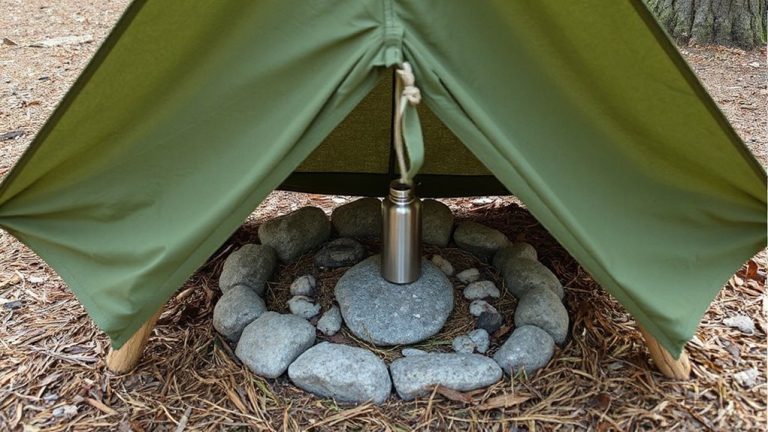
Why risk exposure when a few well-chosen materials can make the difference between enduring the night and surviving it? You need thermal insulation that traps body heat and resists ground chill-natural materials like dry leaves or pine boughs work when compressed to at least 12 inches thick. Synthetic insulation in survival quilts retains warmth even when damp, outperforming cotton in wet conditions. Pair that with a windproof design: tarp setups angled at 45 degrees deflect gusts better than flat configurations, and ridgelines should be taut to avoid flapping. Debris huts with diagonal frames shed wind efficiently if packed densely. In snow, a quinzhee’s compacted walls offer steady insulation, but guarantee ventilation to avoid CO2 buildup. Balance weight against durability-lightweight tarps tear easier but are easier to carry. Test seam strength under tension; failure means cold infiltration. Your shelter must adapt quickly-what works in spring drizzle fails in winter squalls.
Find Safe Water Despite Frozen or Dry Sources
A reliable water source keeps you operational, but frozen streams and dry riverbeds demand adaptation. In winter, you can rely on ice harvesting-melt clear ice from lakes or rivers, avoiding cloudy chunks that contain contaminants. One liter of ice yields about 0.9 liters of water, so plan accordingly. Always purify melted ice to eliminate pathogens. During arid months or in drought-stricken areas, dew collection offers a low-effort option. Use a clean cloth to absorb morning condensation from grass or leaves, then wring it into a container. You can gather 100–300 ml per hour depending on humidity. While slow, it’s reliable when no surface water exists. Neither method replaces filtration, so carry a portable purifier or use boiling. Ice harvesting works best where temperatures stay below freezing, and dew collection requires still air and exposed vegetation. Each has limits, but both expand your options when standard sources fail.
Stay Found: Navigate Changing Terrain Year-Round
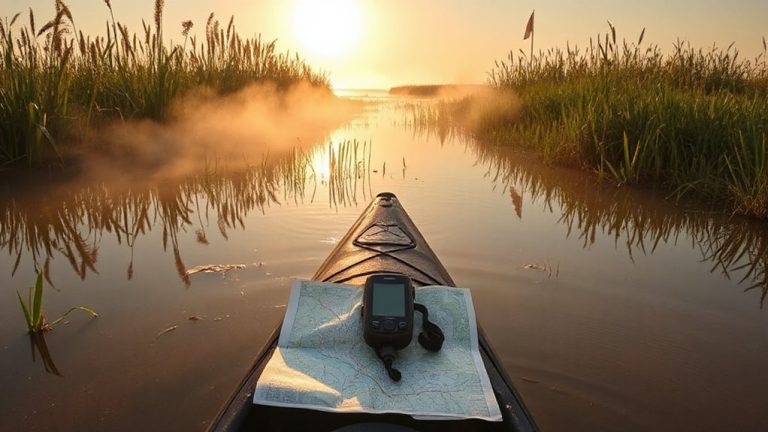
You’ve secured water from ice or dew, but staying alive means more than just hydration-it means knowing exactly where you are. Terrain changes with the seasons can mislead even experienced travelers. In winter, snow depth alters landmarks and obscures trails, making GPS and map cross-checks essential. Relying solely on memory increases risk. During spring thaw, watch for shifting ice flow on rivers; what looked solid at dawn may become impassable by afternoon. A compass remains reliable when batteries fail, but combining it with terrain awareness improves accuracy. Note tree line patterns and ridge orientations-they’re consistent across seasons. Fall’s leaf cover and winter’s snowpack both hide hazards underfoot, so move deliberately. Adjust your route to match current conditions, not past ones. Regularly verify position using visible, fixed features. Staying found isn’t about advanced gear-it’s about consistent checks, clear observation, and respecting how snow depth and ice flow reshape your path.
On a final note
You adapt because seasons demand it. Winter gear must retain heat; down loses loft when wet, synthetics perform damp. Summer calls for breathability-polyester wicks, cotton traps moisture. Spring mud slows travel; gaiters help. Fall’s drop in light means headlamps with 200+ lumens extend usable hours. Water filters work until freezing; then melt snow or use chemical treatment. Shelters need seasonal tweaks-tarp pitch changes with rain or snow load. Navigation tools stay constant, but visibility doesn’t.