Handling Hypothermia Symptoms: Immediate First Aid Steps to Take
You’re shivering or confused-those are early signs of hypothermia. Get out of the cold fast; wind and wetness pull heat from your body 25 times quicker. Move to shelter, stop moving to avoid heart strain. Strip wet clothes, swap in dry layers or wool blankets. Warm your core with body heat or Mylar-avoid heating limbs. Check breathing; if it’s shallow, open your airway. If alert, sip warm broth. Never use alcohol or hot showers. Call for help now-waiting risks cardiac issues. More steps follow.
Notable Insights
- Move the person to a sheltered environment immediately to reduce further heat loss.
- Remove wet clothing and replace with dry insulation like wool or synthetic blankets.
- Warm the core gradually using Mylar blankets, sleeping bags, or skin-to-skin contact.
- Offer warm, non-caffeinated, non-alcoholic fluids if the person is alert and able to swallow.
- Monitor breathing and pulse, and seek emergency care if symptoms worsen or consciousness is lost.
Recognize the Signs of Hypothermia
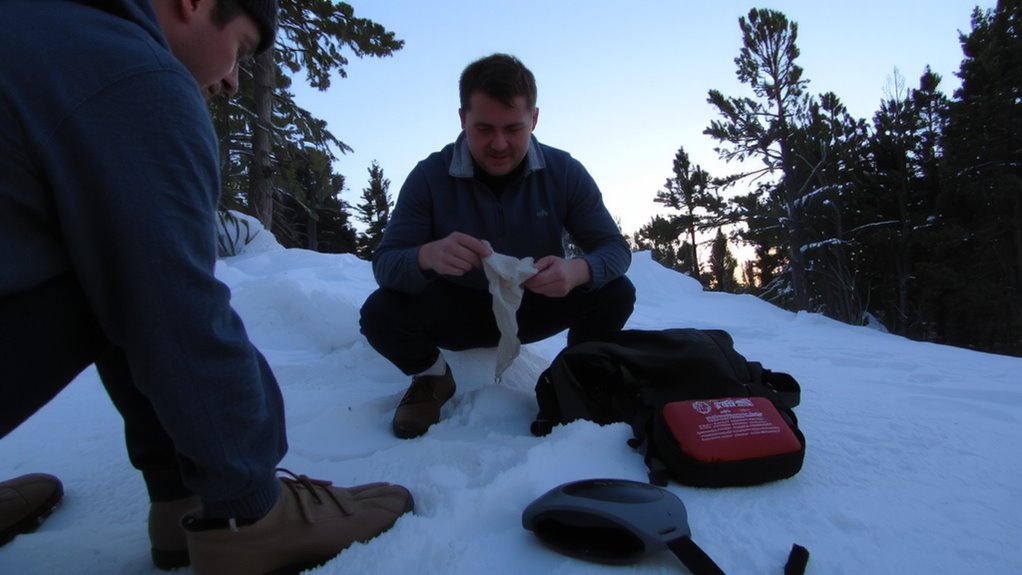
Cold is the first enemy. You need to spot hypothermia early because it kills fast. At first, you’ll start shivering uncontrollably-your body’s last-ditch effort to generate heat. Don’t ignore it. That tremor means your core temperature is dropping. As it falls below 95°F, symptoms shift. You’ll notice confusion, disorientation-simple tasks feel impossible. Judgment fades. Victims often deny they’re in trouble, delaying help. That’s common. Their speech slurs. Movements grow clumsy. In testing, most people misjudge their symptoms after core temp hits 91°F. Shivering may stop below 90°F, creating a false sense of calm. That’s dangerous. Monitor breathing and pulse closely. If the person is drowsy and cold to the touch, act fast. These signs aren’t subtle. They’re measurable markers of decline. Recognizing them buys time. Delaying response shortens survival odds.
Get the Person Out of the Cold Immediately
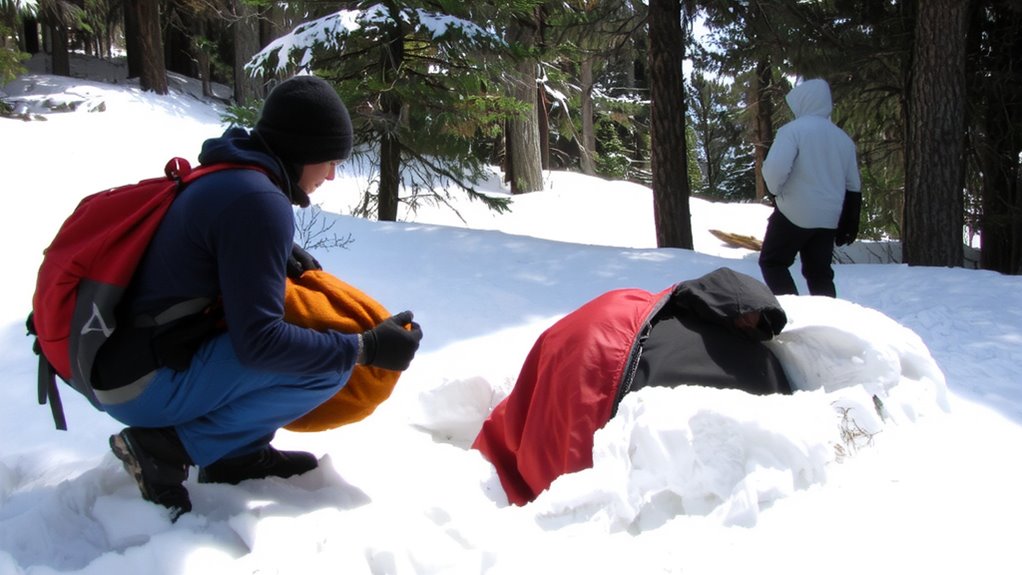
If you’ve spotted the signs of hypothermia, don’t wait-get the person out of the cold immediately, because every minute in cold conditions accelerates heat loss and worsens core temperature decline. Prolonged cold exposure impairs bodily functions and increases risk of organ failure. Move them to a sheltered area, preferably indoors, to halt further heat depletion. Even in mild weather, wind and moisture increase heat loss, so blocking environmental factors matters. Outdoor safety depends on swift action: hesitation reduces survival chances. If no building is nearby, use a vehicle, tent, or natural windbreak-any barrier that limits exposure. Avoid unnecessary movement; rough handling can trigger cardiac issues in severe cases. Prioritize protection over speed-rushing may worsen injury. Shelter isn’t optional-it’s the first real intervention. Stopping cold exposure gives the body a chance to stabilize before rewarming steps begin.
Remove Wet Clothes and Insulate the Body
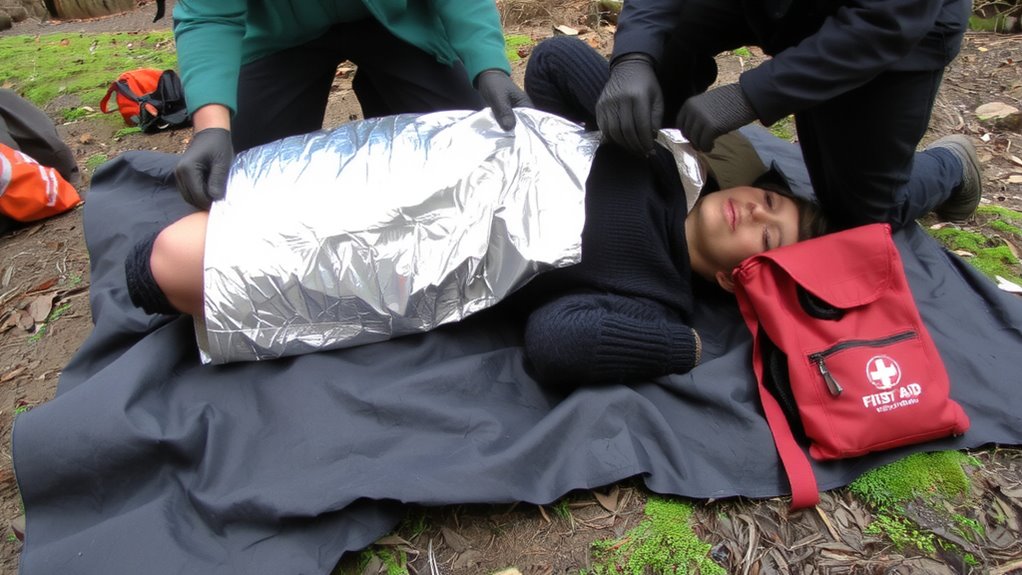
Once you’re out of the wind and precipitation, take off any wet clothing right away because damp fabric pulls heat from the body up to 25 times faster than dry layers. Replace it with dry insulation like wool or synthetic blankets to reduce further heat loss. Avoid using a hot shower-sudden external heat can cause dangerous drops in blood pressure or shock. Instead, focus on gradual core warming. If the person is alert and able to swallow, offer warm drinks like broth or warm water with honey, but never alcohol or caffeine-they interfere with thermoregulation. Insulating the body correctly is critical; wet clothes defeat even the best shelter. Use aluminum foil blankets to reflect body heat if available, but make certain they don’t trap moisture. Proper insulation slows heat loss more effectively than most heating methods can replace it. Your priority is stopping further cooling, not rapid rewarming. For reliable thermal protection, consider carrying one of the best emergency blankets recommended for durability and heat retention.
Warm the Core With Body Heat or Blankets
You’ve already removed wet clothing and blocked the wind, so now it’s time to focus on getting heat back into the core. Use blankets to trap body heat-wool or emergency Mylar types work best because they reflect radiant heat and add insulation without much weight. If available, get the person into a sleeping bag. Skin contact is effective when other materials aren’t available-your own body heat can support heat transfer by lying close, chest to chest, under layers. This method works but uses your energy, so only do it if you’re stable. Avoid direct skin contact with cold surfaces-insulate the ground too. The goal is slow, steady warming of the torso first, since limbs may restrict blood flow if reheated too fast. Prioritize core warmth over comfort-no rubbing or aggressive movement. It’s not about how warm the air feels; it’s about sustained heat retention where it matters most. For reliable emergency insulation, consider carrying a top-rated Mylar blanket that meets survival gear standards.
Check Breathing and Treat for Shock
How do you know when breathing’s too weak to trust? Look for shallow, irregular breaths or long pauses. If breathing seems unreliable, gently tilt the head back and lift the chin to open the airway. Check pulse at the neck for at least 10 seconds-no pulse means CPR is needed, but only if you’re trained. If breathing is present but faint, keep the person still and warm to reduce strain. Monitor oxygen levels if you have a pulse oximeter; readings below 90% indicate trouble. Shock often follows severe hypothermia, even if the person is conscious. Signs include pale skin, rapid heartbeat, and confusion. Lay them flat, elevate legs slightly if no injury’s suspected, and maintain insulation. Avoid movement unless necessary-every effort should preserve core heat and stabilize circulation. Your priority is keeping oxygen delivery steady while preventing further heat loss.
Call for Emergency Help Right Away
If the person’s breathing is shallow or they’re unresponsive, don’t wait-call emergency services immediately, because hypothermia can deteriorate rapidly even with basic care. You might think you can manage with blankets or warmth alone, but severe cases need professional assistance fast. Hypothermia affects heart rhythm and brain function, and only trained responders can monitor and treat these risks effectively. Even if the person seems stable, their core temperature could still be dropping. Delaying a call increases the chance of cardiac arrest. Emergency services can begin IV rewarming, provide oxygen, and transport safely. Don’t rely on assumptions-cold exposure is unpredictable. Your quick call gives them the best shot at recovery. Waiting to see symptoms worsen reduces effectiveness of any treatment. Professional assistance isn’t optional in advanced hypothermia; it’s essential. Every minute counts. Including a well-stocked emergency kit can support initial care while awaiting help.
On a final note
You’ll need to act fast when hypothermia sets in. Get the person out of the cold, swap wet clothes for dry insulation, and focus on warming their core with blankets or body heat. Don’t rely on hot drinks or heating pads-they can worsen circulation. Check breathing and watch for shock while waiting for help. Call emergency services immediately; it’s the only sure way to guarantee proper care. Prevention and quick response are your best tools.