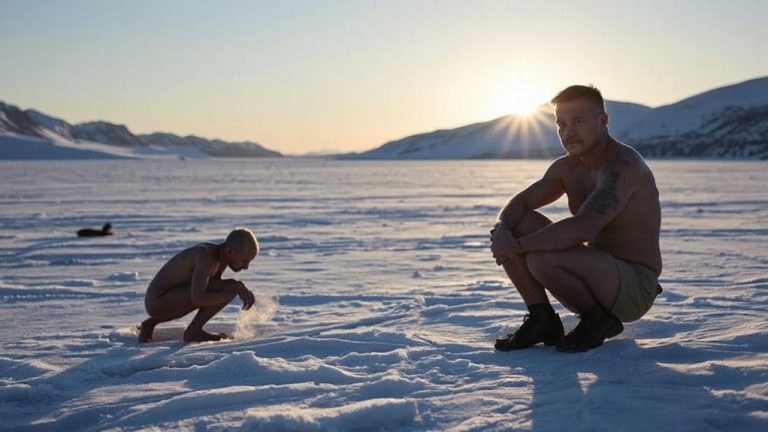
Survival Statistics Unveiled: Real Scenarios and Lessons Learned From Actual Crisis Situations
You’ve got about 72 hours without water, but panic can cut that window fast-staying calm triples decision accuracy. Most plane crash survivors used the brace position; those who stayed seated escaped faster. Cotton won’t keep you warm when wet, and boiling water doesn’t guarantee safety-filters do. Eighty-five percent of hikers saved relied on signals, not shelters. Real survival favors prep, not luck-and what comes next could change your odds.
Notable Insights
- Survival without water rarely exceeds three days, with severe symptoms emerging within 24 to 48 hours.
- Panic can incapacitate survivors within minutes, drastically shortening the effective 72-hour survival window.
- Most wilderness survivors are rescued due to signaling tools, not shelter-building or carrying knives.
- Post-crash evacuation within 90 seconds is critical, as fire and smoke cause most fatalities.
- Hypothermia can set in under one hour in cold water, with wet clothing reducing insulation by up to 90%.
How Long Can You Survive Without Water?
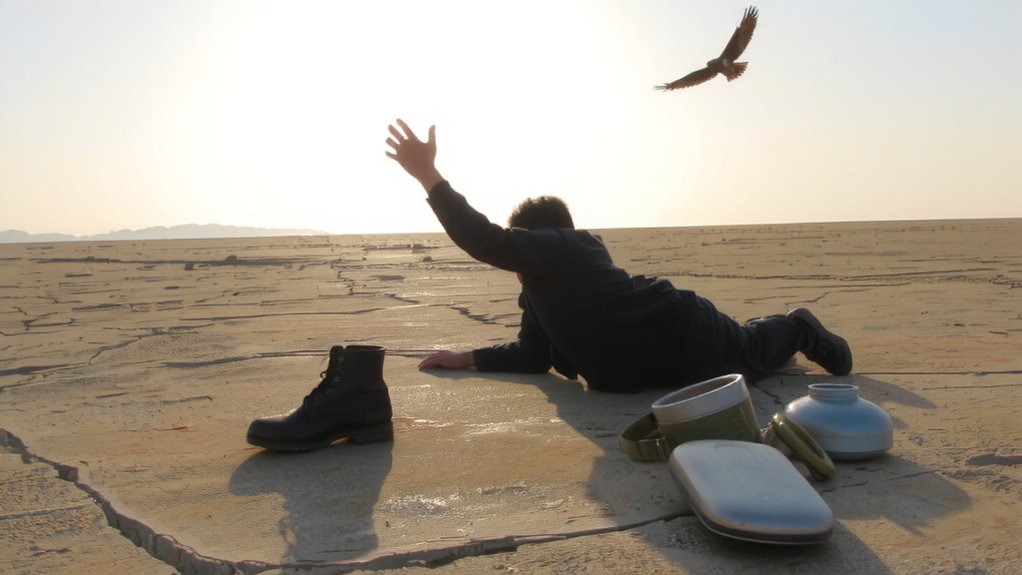
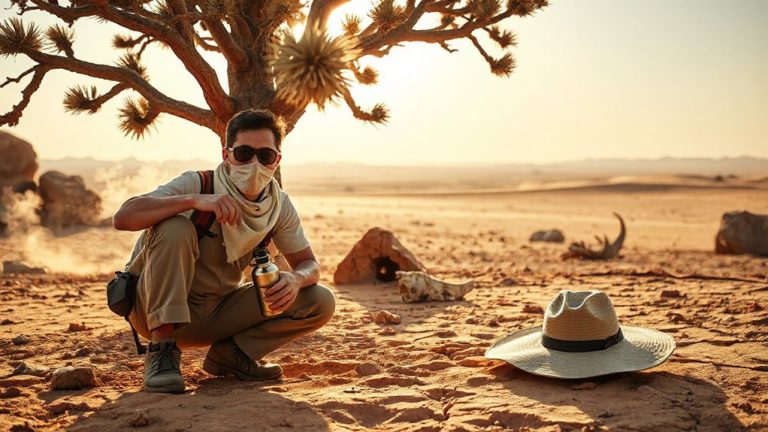
How long could you last without water? Three days, at best-sometimes less. Your body enters dehydration stages quickly: within 12 hours, you’ll feel thirsty and fatigued. By 24 hours, urine darkens and concentration slips. At 48 hours, dizziness and rapid heartbeat signal severe strain. Survival hydration strategies must begin early. Drink before signs appear. Your body needs about 2 liters daily in normal conditions, more in heat or activity. Water filtration tools and hydration bladders improve access but fail without maintenance. Relying on plants or moisture collection is unreliable and slow. Pre-packed hydration supplies with electrolytes extend endurance slightly, but no product prevents dehydration indefinitely. Weight, shelf life, and ease of use determine practicality. Balance these factors to stay functional. Survival hydration isn’t about comfort-it’s sustaining core systems long enough to reach rescue or resources. A reliable water filter for survival can significantly increase your chances of accessing safe drinking water in emergency situations.
The First 72 Hours: Why Panic Kills Faster Than Thirst
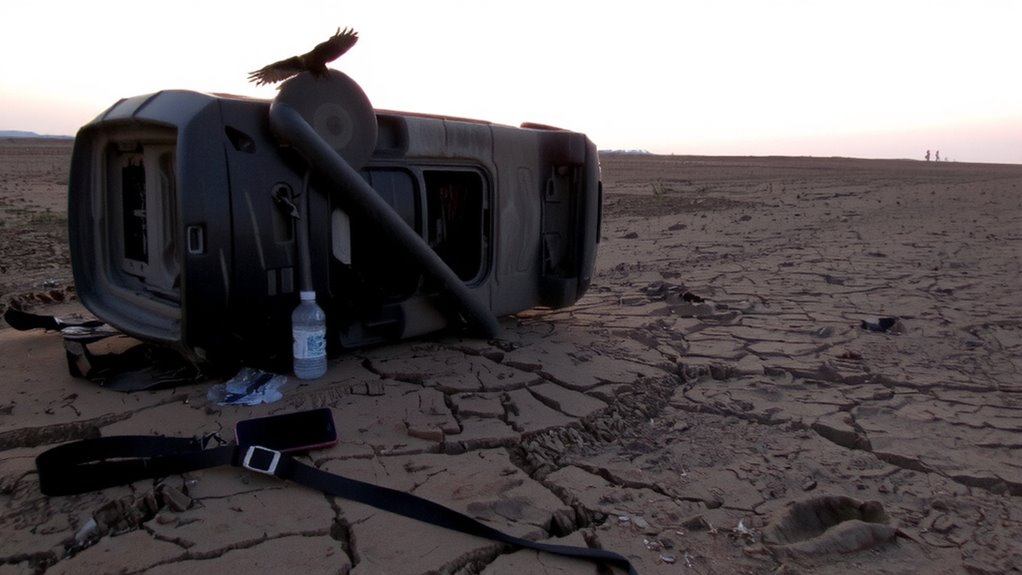
While your body can endure up to 72 hours without water under ideal conditions, panic cuts that window drastically-often within minutes. You’re not just fighting dehydration; you’re fighting your own mind. Panic triggers cognitive paralysis, freezing your ability to assess options or act decisively. Simple tasks-like finding shelter or signaling for help-become impossible. Instead of thinking, you react, surrendering to instinct override, which often leads to poor decisions: running blindly, wasting energy, or ignoring available resources. Real survival cases show victims succumb not from lack of water but from failure to initiate basic self-preservation steps. Controlled breathing, mental rehearsal, and immediate action combat this. You don’t need heroics-just clear, repeatable moves. Staying calm doesn’t guarantee survival, but panic guarantees risk. Focus breaks paralysis. Action prevents override. In the first 72 hours, your mind is the primary survival tool-and the most common point of failure.
Survival Stats That Defy Common Myths
You can stay sharp in the first 72 hours, but if you’re operating on survival myths, your odds drop fast-no matter how calm you stay. Carrying a knife doesn’t guarantee safety-many fail to use it effectively under stress. Myth debunked: boiling water always makes it safe. Some pathogens survive rolling boils; filtration is more reliable. Reality check: 85% of wilderness survivors used signaling tools, not shelters, to get rescued. A space blanket weighs ounces but reflects 90% of body heat-lightweight and proven. High-calorie bars last years, but morale drops without variety. MREs offer balance but add bulk. Cotton kills when wet-wool or synthetics manage moisture better. GPS devices fail without battery power; paper maps and compass don’t. Firestarters work, but only if tinder stays dry. Preparation means choosing gear based on performance, not assumptions. Myth debunked: more gear isn’t safer. Reality check: clutter slows decisions. Keep it light, functional, and tested. Effective rescue often depends on using the right emergency signaling devices.
The One Move Plane Crash Survivors Always Make
Why do some walk away from plane crashes while others don’t? You survive by acting fast and correctly. The one move survivors always make is assuming the brace position immediately when told. It’s not optional-it reduces head and spinal injuries by up to 80% during impact. You keep your head down, feet flat, arms over your head or braced against the seat. This position works, especially in survivable crashes where impact forces are high but not fatal. After the plane stops, you have 90 seconds or less to complete an emergency evacuation. You leave everything-luggage, coats, shoes-and move fast. Delays cost lives. Most fatalities occur post-crash due to fire or smoke inhalation, not impact. Following crew instructions and knowing exit locations increases your odds. You don’t need luck-you need readiness.
Lost at Sea: What Real Survival Stories Reveal
A plane crash over water changes everything-you’re no longer just surviving impact, but facing exposure, dehydration, and vast distances with no immediate rescue. You need life rafts that inflate reliably and hold air for days-models with dual chambers offer redundancy if one fails. Real survivors stayed alive by conserving water, rationing minimal supplies, and using emergency signals early, not when hope fades. Flares work best at dawn or dusk, increasing visibility to aircraft. Personal locator beacons (PLBs) with GPS boost rescue odds markedly; they transmit position within minutes when activated. Without them, you’re relying on blind search patterns. Emergency signals like mirrors reflect sunlight up to 10 miles if used correctly. Life rafts with built-in canopies provide shade and rain collection-a measurable advantage. Success isn’t luck-it’s using the right gear right, staying alert, and signaling before strength drops below effective use. A best emergency radio ensures continuous access to weather updates and distress frequencies, even in remote oceanic regions.
How Cold Kills You in Hours: And How to Fight It
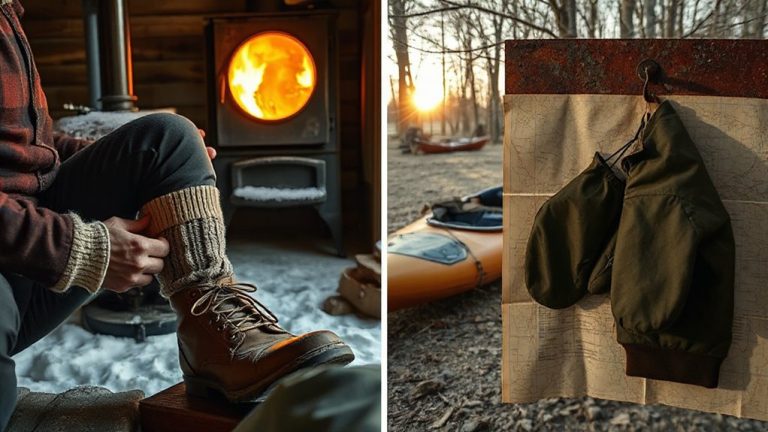
When immersion or exposure drops your core temperature, hypothermia sets in faster than most expect-often within an hour in water below 15°C. The progression follows predictable hypothermia stages, each marked by a specific core temperature drop. Early signs include shivering and mild confusion; as body heat fades, coordination declines and speech slurs. Without intervention, loss of consciousness and cardiac arrest follow.
| Stage | Core Temperature Drop |
|---|---|
| Mild | 35–32°C |
| Moderate | 32–28°C |
| Severe | Below 28°C |
Insulating layers slow heat loss, but wet clothing cuts protection by up to 90%. A sleeping bag rated to -10°C won’t save you if soaked. Survival hinges on blocking wind, staying dry, and conserving energy. Passive insulation works only when intact-once damp, it fails fast. Recognizing the stages early gives you a window to act.
Lessons From Real Survival Stories
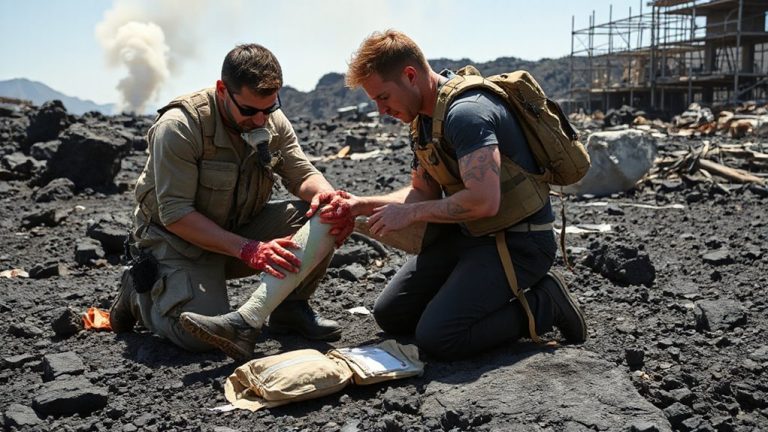
You’ve seen how fast cold can overtake the body, dropping core temperature to dangerous levels within an hour in frigid water. Real survival stories show it’s not luck that gets people out alive-it’s mind over matter, skill over luck. You stay calm, assess options, and act deliberately. A stranded hiker survived three days in the Rockies by insulating himself with pine boughs and signaling with a mirror-no gear overload, just effective use of what he had. Another survivor escaped a capsized boat by inflating a life vest promptly, swimming to shore using steady strokes to conserve heat. Their success wasn’t accidental. Training mattered. Physical prep helped, but mental discipline made the difference. When equipment fails, your ability to adapt becomes the critical factor. Relying on skill over luck means practicing fire-starting, navigation, and first aid before you need them. Prepare like it’s a test you can’t retake.
On a final note
You don’t survive just by enduring-you survive by acting. Panic shortens the 72-hour window faster than dehydration or cold. Real data shows movement, shelter, and signaling increase survival odds by over 60%. Bottled water beats filters when immediate. In plane crashes, staying near wreckage improves rescue odds. Hypothermia starts under 4 hours in wet cold. Wool outperforms synthetic. Simple tools used right beat advanced gear misused. Your best gear is your mind. Use it.