Navigating Seasonal Challenges: How to Prepare and Adapt Your Skills Based on the Time of Year
You adapt your work and learning to the seasons because daylight, temperature, and energy levels directly affect focus. In spring, start new projects outside-natural light boosts alertness and collaboration. Beat summer heat by scheduling tough tasks in the cooler morning and staying hydrated. Use fall’s routine to lock in daily habits with simple, repeatable actions. In winter, maintain a strict schedule and use 10,000-lux light therapy to counter mood dips. Each season supports specific skill-building-there’s a rhythm that fits your goals.
Notable Insights
- Leverage spring’s longer days and outdoor energy to launch new projects and boost creativity through walking meetings.
- Maintain summer focus by staying hydrated, cooling your workspace, and scheduling demanding tasks during cooler morning hours.
- Build lasting habits in fall by anchoring new behaviors to existing routines and practicing them daily for at least three weeks.
- Counteract winter fatigue with morning light therapy and a consistent daily schedule to stabilize mood and mental performance.
- Align skill development with seasons: learn outdoors in spring, brainstorm in summer, pursue certifications in fall, and train indoors in winter.
Understand How Seasons Affect Your Focus and Energy

Every season brings distinct shifts in light, temperature, and daily routine that directly impact your focus and energy. You’ll notice changes in your energy patterns as daylight fluctuates-shorter days in winter often reduce alertness, while longer daylight in summer can boost daytime productivity but disrupt sleep if unmanaged. These responses are tied to seasonal rhythms governed by circadian biology, not preference. Your performance isn’t static; it follows measurable dips and peaks aligned with environmental conditions. For example, cold temperatures may slow cognitive speed, while high humidity can reduce stamina. Recognizing these patterns lets you schedule demanding tasks when your energy is highest. You can adjust wake times, light exposure, and workloads to stay effective year-round. Tools like daylight lamps or cooling fans aren’t luxuries-they’re functional adjustments. Adapting to seasonal rhythms improves consistency. Ignoring them risks fatigue, errors, and wasted effort. Track your output monthly to spot trends. Then act.
Launch New Projects and Ideas in Spring
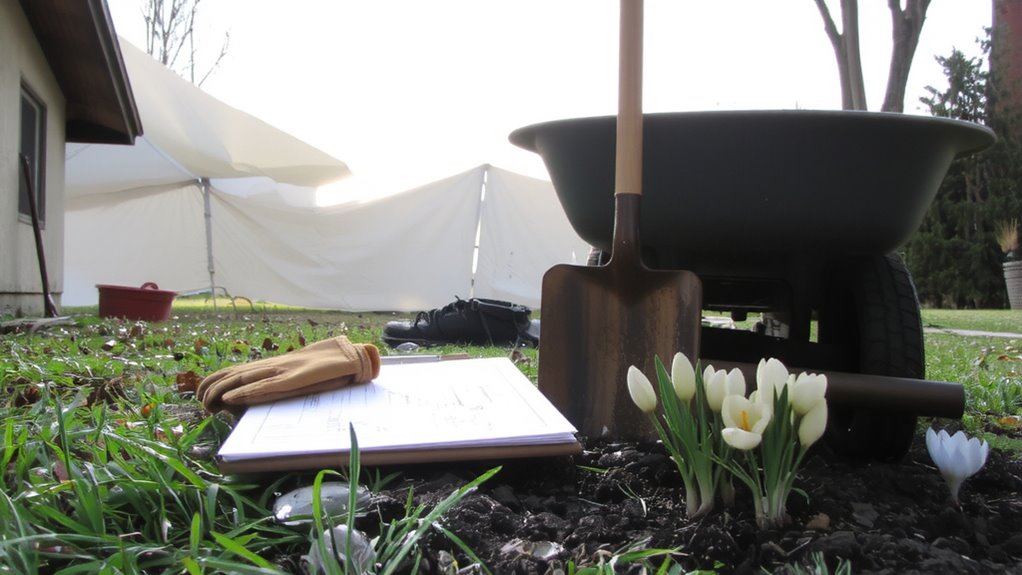
When spring arrives, you’ll find it’s one of the most reliable times to start new projects, thanks to longer daylight, rising temperatures, and a natural lift in mood and energy. This season supports creative brainstorming and outdoor collaboration, both proven to increase idea generation by up to 30% compared to indoor settings. Natural light improves alertness, while mild weather reduces physical stress, making focus more sustainable.
| Factor | Benefit |
|---|---|
| Morning light exposure | Boosts circadian rhythm, improving daily focus |
| Outdoor collaboration | Enhances team creativity and reduces mental fatigue |
| Seasonal energy shift | Supports sustained effort in new initiatives |
Use this window to test ideas in real conditions. Begin with low-risk pilots. Track progress weekly. Adjust fast. Spring doesn’t last, but the momentum you build does-provided you act early and commit to follow-through.
Beat Summer Heat and Stay Productively Sharp
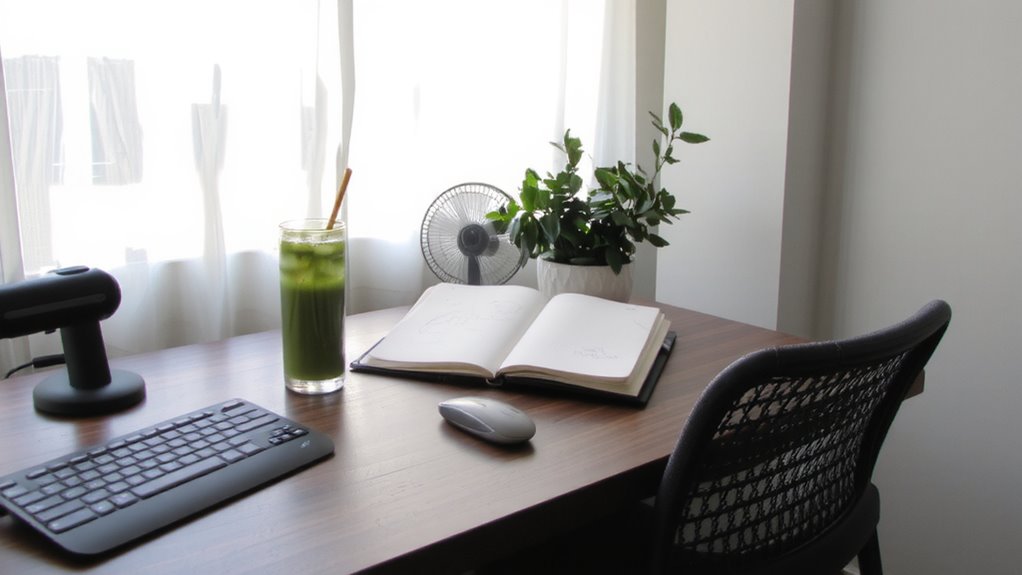
How do you maintain focus when the temperature rises and your energy drops? You adapt. A cool workspace isn’t a luxury-it’s critical. Keep ambient temps between 68–72°F; studies show cognitive performance declines above 77°F. Use fans, blinds, or AC strategically. Your body loses fluids faster in heat, so hydration management is non-negotiable. Drink water consistently-don’t wait for thirst. Aim for 8 oz every hour if active. Dehydration of just 2% body weight impairs concentration and reaction time. Wear light clothing, take short breaks in shaded or cooled areas, and avoid heavy meals. Schedule demanding tasks for cooler hours, typically morning or late afternoon. Productivity in summer isn’t about pushing through; it’s about adjusting conditions and habits to match environmental demands. Control the controllables: temp, intake, and timing.
Build Strong Habits During Fall’s Routine
Three consistent weeks of aligned actions are usually enough to cement a habit, and fall’s predictable routine creates ideal conditions for building them. With kids back in school and work rhythms stabilizing, you’re more likely to maintain seasonal consistency. This stability supports effective habit formation because fewer disruptions mean less decision fatigue. Start small-attach new behaviors to existing ones-and track daily progress.
| Habit Type | Example |
|---|---|
| Skill Practice | 20 min coding daily |
| Fitness | Morning walk, 5x/week |
| Learning | Read 10 pages after dinner |
Consistency matters more than intensity. A five-minute habit done daily beats an hour-long session once a week. Seasonal consistency in fall isn’t about speed-it’s about reliability. Use the routine to test what works, adjust quickly, and eliminate what doesn’t.
Stay Motivated in Winter With Light and Structure
Winter strips away the ease of routine you built in fall, replacing it with shorter days and weaker light that disrupt your energy and focus. Without structured daylight, your circadian rhythm falters, making mornings harder and concentration weaker. To counter this, use light therapy for 20–30 minutes each morning with a 10,000-lux lamp, which studies show improves alertness in 70% of users within two weeks. Pair this with consistent daily routines-wake, eat, work, and sleep at the same times every day-to signal your body and mind clearly. Avoid shifting schedules on weekends; even a one-hour drift reduces next-day focus by up to 15%. Light therapy isn’t a cure-all, but when combined with rigid daily routines, it stabilizes mood and performance. You won’t feel summer-level energy, but you’ll maintain baseline function. Stick to measured habits, not motivation, to survive winter’s demands.
Align Your Skill Goals With the Seasons
Why plan your skill development in isolation from the year’s natural shifts? You can use seasonal patterns to your advantage. Spring offers longer days and mild weather, making it ideal for outdoor learning-walking meetings or field studies improve retention and focus. Use this time to build physical or collaborative skills. Summer allows for flexible schedules; leverage daylight for creative brainstorming in parks or cafés, where environmental variety boosts idea generation. Fall’s structure supports deep work-enroll in courses or certifications before year-end distractions. Winter limits mobility, so opt for indoor, focused training like data analysis or coding. Each season presents distinct conditions-light levels, temperature, free time-that affect concentration, energy, and access. Matching your goals to these shifts improves consistency. For example, studying technical material indoors in winter yields better results than forcing outdoor practice in snow. Aligning skill goals with seasons isn’t symbolic-it’s practical time management based on measurable environmental factors.
On a final note
You adapt your skills yearly by aligning with seasonal shifts. Spring suits starting projects when energy rises. Summer demands heat management to sustain focus. Fall’s routine supports habit formation through repetition. Winter requires structured schedules and light exposure to maintain drive. Each season offers distinct conditions-use them. Planning around them improves consistency. Skill progress isn’t steady; it’s cyclical. Track output monthly. Adjust goals quarterly. This approach yields measurable gains over time, outperforming rigid, one-size-fits-all methods.